Stone by Stone, Home Again in the Julian Alps
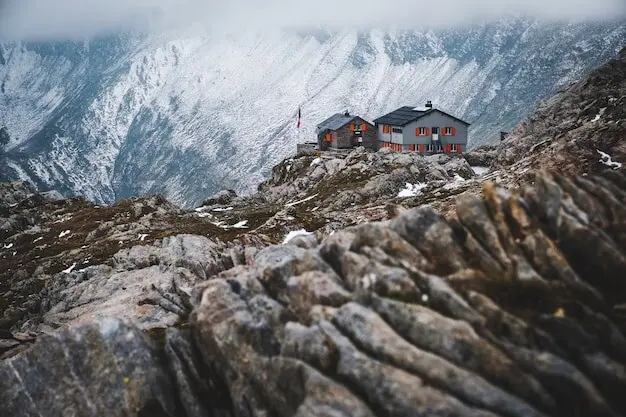
Today we dive into restoring stone farmhouses with local materials in the Julian Alps, celebrating craftsmanship, ecology, and memory. From quarry-fresh limestone to seasoned larch and gentle lime mortars, we explore practical methods, heartfelt stories, and resilient strategies that respect mountain weather, heritage guidelines, and modern comfort. Join us to learn, question, and contribute your experience.

Listening to the Land and Its Farmhouses

From Survey to Strategy: Knowing What You Have

A careful survey balances curiosity with discipline. We document cracks, humidity, salts, insects, roof geometry, and joinery without rushing to solutions. Simple tools—plumb lines, moisture meters, boroscopes—reveal behavior rather than just defects. With this knowledge, we build a phased strategy prioritizing safety, reversibility, and continuity, avoiding flashy interventions that undermine the farmhouse’s quiet resilience.

Foundations, Walls, and Capillary Paths

Trace rising damp from soil to sill by testing salts and photographing evaporation fronts over days and seasons. Identify cement patches that suffocate capillaries and push moisture upward. Repairs then emphasize breathable mortars, capillary breaks, and gentle grading adjustments that give water somewhere harmless to go.

Roofs, Eaves, and Snow Wisdom

Measure rafter sag, nail corrosion, and wind-lift vulnerability along exposed ridgelines. Observe snow shedding routes to protect doorways, animal paths, and herb gardens. Rebuilding often means slightly longer eaves, reliable ice guards, and larch shingles laid with traditional spacing that dries quickly after storms yet endures alpine summers.

Stone Selection and Quarry Relationships

Compare candidate blocks by soaking, weighing, and scratching, aiming for absorption and strength similar to existing masonry. Build trust with quarry crews by visiting regularly, paying fairly, and sharing test results. Good relationships secure consistent supply, smart cuts, and offcuts perfect for thresholds, sills, and garden steps.

Timber from Mountain Forests

Select larch or chestnut felled in the right moon phase if local practice values it, then air-dry under breathable covers. Track growth rings and defects, cutting members to maximize stability. Buying storm-fallen logs supports forest health, while supporting sawyers preserves knowledge of local seasoning and joinery expectations.

Lime, Clay, and Aggregates

Choose lime types by performance, not marketing. Test hot-mixed lime for compatibility, or NHL where exposure demands. Source sands with rounded and angular grains blended for workability and strength. Clay plasters finish interiors beautifully, buffering humidity and illuminating rooms with a softness that factory paints cannot approach.

Hands-on Techniques that Breathe

Work that lasts remains modest, reversible, and kind to materials. Rake out hard cement and salts patiently. Mix mortars by feel and sound, testing on inconspicuous joints before full repointing. Accept slight irregularities that shed water and invite light. The farmhouse exhale returns when walls exchange vapor without panic.

Comfort and Energy, Quietly Upgraded

Comfort grows from mass, sun, and air, not only gadgets. We prioritize vapor-open insulation, window repairs, shutters, and tight doors before adding technology. Where needed, discreet heat pumps or radiant floors pair with lime plasters, wood fiber, and solar hot water, creating steady indoor climates without silencing the building’s voice.

Strength and Safety Without Losing Soul

Alpine valleys know tremors and fierce winds, yet dignity can coexist with reinforcement. We weave ring beams, discreet ties, and diaphragms into existing fabric, choosing solutions that hide in shadows but act decisively. Engineers, masons, and neighbors collaborate, testing assumptions with mockups and measuring changes over seasons, not weeks.

Continuous Ties and Quiet Ring Beams

Lime-compatible ring beams, sometimes timber with steel concealed, link walls gently while respecting roof lines. Hidden ties at floor levels reduce out-of-plane risk without scarring interiors. Where necessary, we stitch cracks gradually, allowing movement to settle before final finishes, preserving calm rather than forcing brittle perfection overnight.

Diaphragms, Shear, and Repointing Logic

Strength grows when floors and roofs act together, so we add discreet sheathing or planking beneath boards and connect to walls with reversible anchors. Repointing with correct mortar redistributes effort between stones. The result is calmer motion during storms and quakes, reducing damage while retaining authentic fabric.

Ravosanozavovirorino
Privacy Overview

This website uses cookies so that we can provide you with the best user experience possible. Cookie information is stored in your browser and performs functions such as recognising you when you return to our website and helping our team to understand which sections of the website you find most interesting and useful.