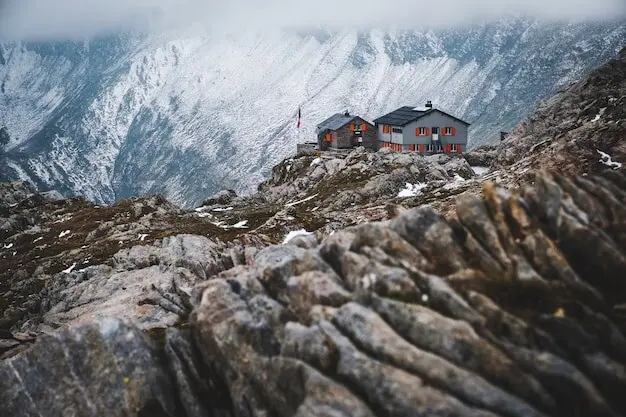
Grain and Fleece in the Julian Alps

Step into valleys where spruce, larch, and hardy mountain sheep shape everyday making. We explore Traditional Woodworking and Wool Crafts of the Julian Alps, celebrating resourceful workshops, communal shearing days, and weatherwise garments. Discover stories, techniques, and invitations to participate, keeping skilled hands active, local voices heard, and resilient knowledge walking confidently into tomorrow’s trails.

Mountains, Forests, and Flocks: A Living Landscape

Here, steep slopes and shifting seasons set the rhythm for craft. Forests offer straight-grained boards and fragrant shavings, while high pastures provide warm fleece and shepherding wisdom. Makers learn from wind, snow, and thaw, adapting tools, patterns, and routines so objects feel native to the valley’s breath and light.

Timberline Wisdom

Spruce planes true for sound boxes and paneling; larch resists rot for shingles, troughs, and stoops; beech absorbs shock for handles and mallets. Wood is felled in the cold moon, seasoned patiently under eaves, then worked with modest waste, honoring growth rings, knot placement, and the mountain’s slow generosity.

Pastures and Fleece

Shepherds read cloud and grass like ledgers, moving flocks between meadows to keep fiber strong. Spring shearing begins community gatherings, where stories, tools, and pastries circle alongside fleeces. Carefully sorted staples promise different destinies: socks for scree, blankets for hearths, and felted soles that remember every stony path.

Water, Stone, and Fire

Rivulets power small wheels and wash freshly cleaned wool, while stone hearths warm dye vats and evening benches. Ash becomes lye for scouring; embers temper blades and toast fingers numbed by snow. Every natural element participates, turning simple materials into lasting companions sized to trails, thresholds, and tables.

Workshop Practices Passed Through Generations

In modest sheds scenting of resin and lanolin, skills travel by watchful eyes and patient repetition. A child sands, a parent fits joints, a grandparent listens to wood’s grain with fingertips. Nothing is rushed; offcuts become pegs, shavings become kindling, and every bench bears ghost-marks of earlier lessons.

From Fleece to Fabric: Wool’s Mountain Journey

Shearing Days and Sorting Tables

Neighbors gather with tarps, biscuits, and shears, steadying sheep and swapping news. Clean, long staples are saved for next-to-skin wear; sturdy locks for socks and outer layers; short bits for felt. Lanolin perfumes the air, reminding everyone that care, not haste, is the surest measure of quality.

Spinning, Plying, and Rhythm

Rowing a treadle brings breath into fiber; a drop spindle tucks portability into pockets. Singles carry the shepherd’s pace; plying pairs strength with softness, coaxing balance for abrasion, insulation, and drape. Songs or stories keep cadence, turning repetitive motions into meditative craft that tethers community across winter nights.

Felting, Fulling, and Weatherproof Warmth

Soap, heat, and friction persuade fibers to lock, shaping insoles, slippers, and shepherd’s hats that shrug off slush. Woven cloth heads to fulling—pounded, thickened, and trimmed—gaining wind resistance without store-bought membranes. Each dense surface becomes a reliable ally, holding shape during storms yet breathing gently beside the fire.

Objects That Carry Weather and Memory

Everyday pieces quietly document mountain life: three-legged stools balanced for uneven floors, pack frames tuned to switchbacks, paddles that taste new butter, shawls that shelter first snow. Utility leads, beauty follows close behind, and both are welcomed, treasured, repaired, and passed forward with stories braided into fibers and grain.

Patterns, Dyes, and Meanings

Motifs of Snow and Stone

Carved rosettes trace winter skies; knitted lice stitches scatter like sleet; weaves stack light and shadow as if piling rocks. Forms repeat but never stiffen, because each maker edits lines to suit purpose, person, and valley, letting landscape geometry keep faith with changing hands.

Plant Colors, Clear Streams

Walnut hulls bring smoky browns; onion skins glow amber; alder and larch whisper russets; birch leaves brighten early spring skeins. Iron or alum shifts tones carefully, while running water clears soap and surprise. Hues settle honest and calm, maturing with sun and wear rather than flashing and fading.

Counted Threads and Story Lines

Charted bands mark journeys between villages; heel patterns remember tutors; border repeats cue origins without road signs. On wood, incised lines echo these counts; on wool, stranded tension carries discipline and breath. Together they archive laughter, storms, and reconciliations, proving pattern is not decoration alone but lived record.

Sustainability, Revival, and Modern Paths

Care for place guides every choice: selective logging after storms, respectful grazing that renews meadows, and local processing that keeps skills nearby. Makers collaborate with hikers, hosts, and schools, inviting questions, commissions, and apprenticeships. Join our conversation, share experiences, and subscribe to sustain thriving craft across seasons and generations.
Ravosanozavovirorino
Privacy Overview

This website uses cookies so that we can provide you with the best user experience possible. Cookie information is stored in your browser and performs functions such as recognising you when you return to our website and helping our team to understand which sections of the website you find most interesting and useful.